
Food Systems

Resilient Food Systems: Adapting to Climate Change

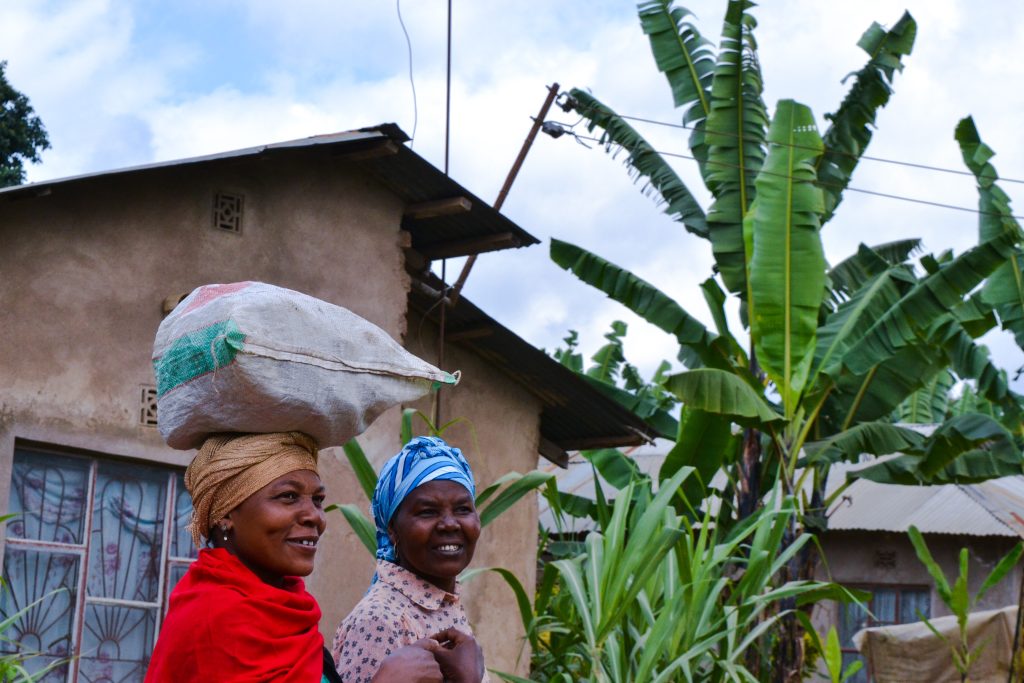
In the serene landscapes of Nairobi, a determined farmer named Wanjiku faced a challenge that resonated across continents – the unpredictable forces of climate change. Wanjiku recognized that safeguarding food security required not only nurturing crops but also building resilient systems that could weather the storms of an ever-changing climate. Amidst the shifting seasons and climatic uncertainties, a universal concern binds us – ensuring that the food on our tables remains a constant, even in the face of environmental upheavals. The puzzle at hand? Constructing food systems that can endure and thrive amidst changing weather patterns, ensuring access to sustenance for all. Yet, within this challenge lies the blueprint for adaptive ingenuity and progress. Solution: Wanjiku became a steward of resilient food systems, adopting practices that could withstand climate variability. By integrating drought-resistant crops, water-saving irrigation techniques, and climate-smart technologies, she not only safeguarded her own farm but also inspired a movement towards climate-resilient agriculture. The impact is evident: such practices can increase crop yields by up to 20%, as noted by the World Bank. Let’s nurture this commitment by advocating for climate-conscious policies, promoting agroecological practices, and investing in research that furthers our understanding of climate impacts. Africa’s vulnerability to climate change is clear, with the continent experiencing a rise in extreme weather events. The potential is transformative: investing in climate-resilient agriculture could potentially generate $17 billion in annual benefits across Africa, as reported by the Food and Agriculture Organization (FAO). As we navigate the terrain of climate adaptation, let’s cultivate a narrative where Wanjiku’s resilience thrives, and Africa’s food systems become models of strength in the face of adversity. Join me in building resilient food systems – not just as a response, but as a proactive shield against climate challenges. Tsholofelo Wechoemang (Stay tuned for more insights into the intersection of agriculture and climate resilience.)

Resilient Food Systems: Adapting to Climate Change Read More »
Balancing Tradition and Innovation: Embracing Agri-Cultural Heritage

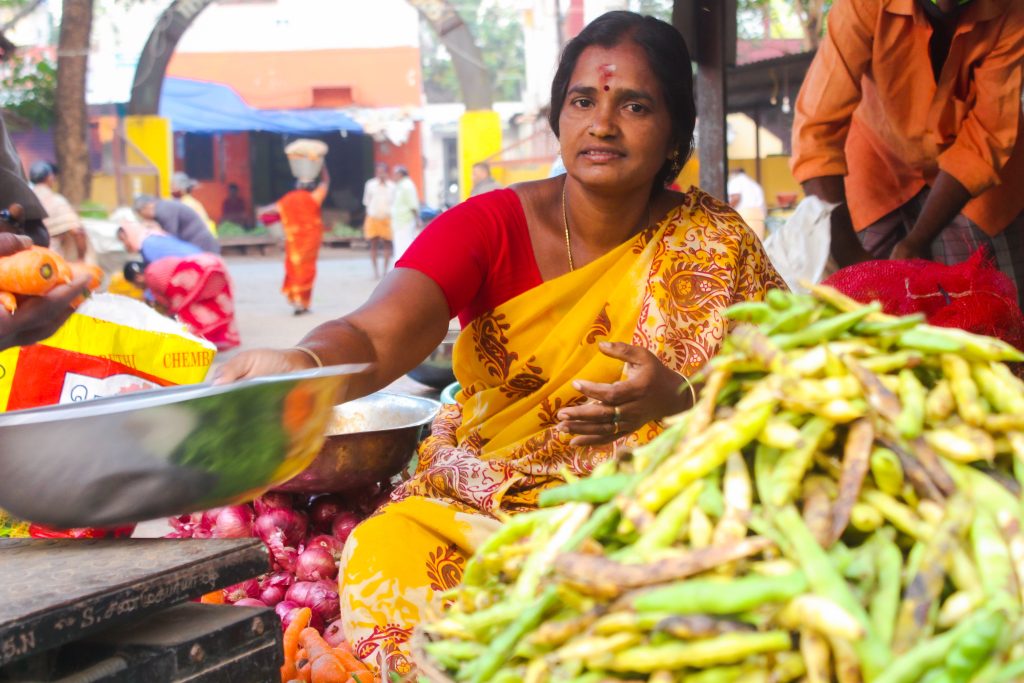
In the enchanting village of Addis Ababa, a forward-looking farmer named Eyo faced a challenge that echoed across cultures and generations – the delicate dance between honouring tradition and embracing progress. Eyo realized that in the realm of agriculture, preserving heritage while harnessing innovation could shape a resilient and vibrant future. Amidst the rich tapestry of Africa’s cultural heritage, a common aspiration unites us – cherishing the wisdom of our ancestors while embracing the opportunities of modernity. The puzzle at hand? Striking a harmonious chord between time-honoured practices and transformative innovations, fostering sustainability and continuity. Yet, within this challenge lies the roadmap for a dynamic and culturally rooted agricultural landscape. Solution: Eyo became a steward of agri-cultural heritage, interweaving ancient practices with modern knowledge. By blending traditional planting methods, indigenous crops, and organic approaches with scientific insights, he not only preserved cultural legacies but also cultivated resilience. The impact is profound: embracing agri-cultural heritage could enhance biodiversity and strengthen ecosystems, as recognized by the United Nations Convention on Biological Diversity. Let’s nurture this commitment by documenting and sharing traditional knowledge, facilitating intergenerational learning, and harmonizing local practices with global advancements. Africa’s cultural diversity is a treasure trove, and integrating tradition into agriculture could help safeguard livelihoods for over 80% of rural Africans, according to the International Fund for Agricultural Development (IFAD). As we navigate the landscape of cultural fusion, let’s cultivate a narrative where Eyo’s dedication thrives, and Africa’s agricultural tapestry becomes an intricate weave of heritage and progress. Join me in embracing agri-cultural heritage – not just as a homage, but as a living legacy that sustains us all. Tsholofelo Wechoemang (Stay tuned for more insights into the harmonious blend of tradition and innovation in agriculture.)

Balancing Tradition and Innovation: Embracing Agri-Cultural Heritage Read More »

Policy for Progress: Driving Systemic Change in Food Security

In the vibrant city of Accra, a determined advocate named Kofi confronted a challenge that resonated throughout Africa – the delicate balance between abundance and access. Kofi realized that to truly address food security, it required more than individual efforts; it demanded systemic change driven by effective policies. Amidst the ebb and flow of economies and cultures, one aspiration unites us – ensuring that every plate is filled, and every person has access to nourishment. The puzzle at hand? Crafting policies that bridge the gap between agricultural potential and equitable distribution. Yet, within this challenge resides the roadmap for progress that transcends borders. Solution: Kofi championed policy initiatives that promote sustainable agricultural practices, fair trade agreements, and targeted investments in infrastructure. By influencing the regulatory landscape, he not only ensured a better future for farmers but also strengthened the foundations of food security. The numbers speak volumes: effective policies could lift 150 million Africans out of poverty by 2030, as projected by the International Food Policy Research Institute. Let’s cultivate this commitment to policy change by engaging governments, international organizations, and communities in shaping a more equitable agricultural ecosystem. Africa’s potential is undeniable, with the agricultural sector accounting for 23% of the continent’s GDP, as highlighted by the African Development Bank. The potential is transformative: improved policies could unlock $85 billion in agricultural GDP by 2030, according to the African Union. As we navigate the terrain of policy advocacy, let’s cultivate a narrative where Kofi’s efforts thrive, and Africa’s agricultural landscape becomes a beacon of sustainable growth and nourishment. Join me in driving systemic change – not just for today, but for a future of equitable abundance. Tsholofelo Wechoemang (Stay tuned for more insights into the transformative impact of policy on food security.)

Policy for Progress: Driving Systemic Change in Food Security Read More »

Going Green: Sustainability as a Competitive Advantage in the Food Industry

In the bustling city of Lagos, a forward-thinking entrepreneur named Amina stood at a crossroads that echoed across the business landscape – the intersection of commerce and conscience. Amina recognized that in the modern era, a commitment to sustainability wasn’t just an ethical choice; it was a strategic advantage. Amidst the whirlwind of consumer demands and global concerns, the food industry is undergoing a paradigm shift. The challenge at hand? Balancing profitability with environmental responsibility, creating products and processes that nurture both the bottom line and the planet. Yet, within this challenge lies the blueprint for innovation and prosperity. Solution: Amina embraced the green movement, reimagining her food business to prioritize sustainability at every turn. By adopting eco-friendly packaging, sourcing local and organic ingredients, and minimizing waste, she not only appealed to conscious consumers but also positioned her brand as a leader in the market. The numbers underscore the impact: consumers are 85% more likely to buy sustainably produced goods, as reported by Nielsen. Let’s foster this commitment to sustainability by reducing carbon footprints, conserving resources, and incorporating circular economy principles. Africa boasts vast natural wealth, and harnessing this potential sustainably could generate $1.8 trillion in business value by 2030, according to the Business and Sustainable Development Commission. As we navigate the landscape of conscious business practices, let’s cultivate a narrative where Amina’s vision flourishes, and our food industry becomes a beacon of sustainability and profitability. Join me in embracing the green movement – not just as a trend, but as a transformative path to success. Tsholofelo Wechoemang (Stay tuned for more insights into the convergence of sustainability and business in the food industry.)

Going Green: Sustainability as a Competitive Advantage in the Food Industry Read More »

Community Engagement: Mobilizing for Food Security

In the picturesque village of Arusha, a compassionate leader named Zainab faced a dilemma that echoed across communities throughout the continent. Despite the abundance of natural resources, food scarcity persisted in some corners. Zainab recognized that the path to lasting food security lay in uniting her community and harnessing their collective strength. Amidst Africa’s diverse landscapes and cultures, a common challenge unites us – ensuring that every plate is filled, and every stomach nourished. The problem at hand? Bridging the gap between potential and reality, between the resources available and the hunger that still persists. Yet, within this challenge resides a blueprint for transformation through community engagement. Solution: Zainab pioneered community-driven initiatives, empowering local farmers, women’s groups, and youth to actively participate in food production and distribution. Through shared knowledge, resource pooling, and coordinated efforts, she fostered a self-reliant ecosystem that strengthened food security. The impact is evident: community-led initiatives can increase food production by up to 70%, according to the United Nations Development Programme (UNDP). Let’s nurture these community bonds by promoting agricultural education, facilitating access to inputs, and celebrating cultural practices that enhance sustainability. Africa’s strength lies in its people, with over 60% of the population engaged in agriculture, as highlighted by the World Bank. The potential is boundless: empowering communities could potentially lift 270 million Africans out of poverty, according to the African Union’s Comprehensive Africa Agriculture Development Programme (CAADP). As we navigate the terrain of community engagement, let’s cultivate a narrative where Zainab’s leadership flourishes, and the tapestry of Africa’s communities becomes interwoven with prosperity and abundance. Join me in championing community engagement – not just as a concept, but as a cornerstone of food security. Tsholofelo Wechoemang (Stay tuned for more insights into mobilizing communities for a nourished future.)

Community Engagement: Mobilizing for Food Security Read More »

Scroll to Top